
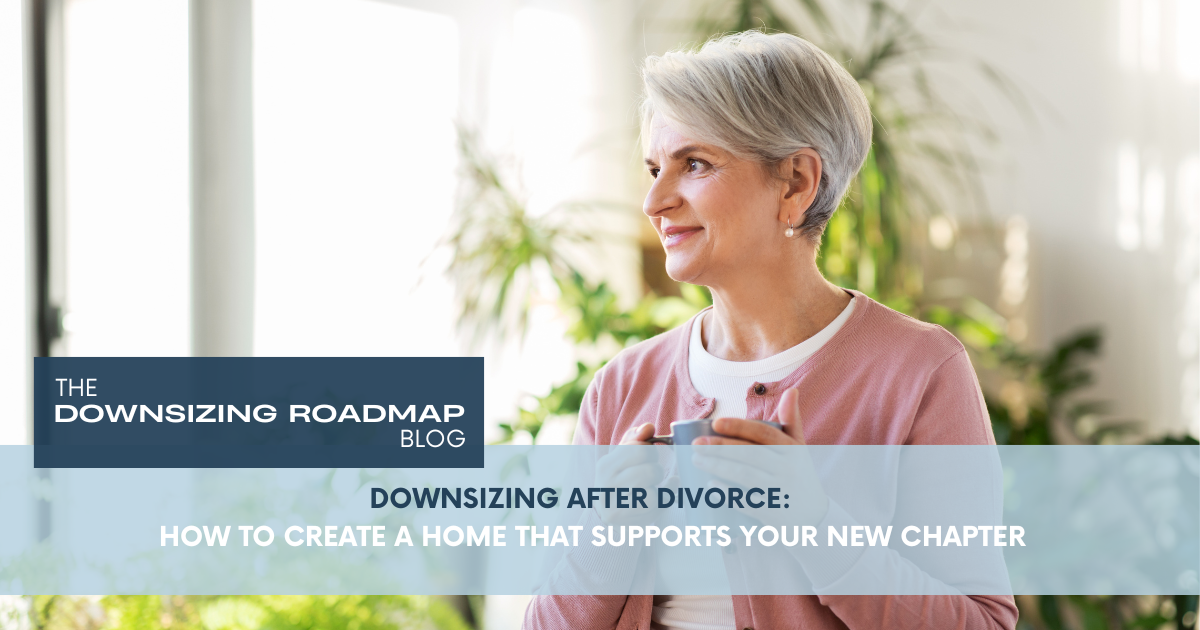
Downsizing after divorce is rarely just about square footage or finances. More often, it is about untangling identity, memories, and routines from a space that once represented partnership and stability. The home becomes one of the biggest decisions in the aftermath of divorce—and also one of the most emotional.
Although staying in the marital home may feel familiar or safe at first, many people discover that it quietly keeps them anchored to a chapter they are trying to close. Downsizing after divorce offers an opportunity to create a space that reflects who you are now, not who you were before.
Why Downsizing After Divorce Feels So Emotional
To begin with, the home holds far more than furniture. It holds shared memories, family traditions, and years of compromise. As a result, deciding whether to stay, sell, or move can feel overwhelming.
Many people worry that letting go of the house means letting go of their past. However, downsizing after divorce is not about erasing what was—it is about choosing what supports healing, independence, and forward movement. In fact, the right environment can make emotional recovery easier, not harder.
Is Your Current Home Helping You Heal—or Keeping You Stuck?
One important question to consider is whether your home supports your next chapter. While familiarity can feel comforting, it can also prolong emotional fatigue. Maintenance demands, financial strain, or constant reminders of conflict often add unnecessary stress.
In other words, downsizing after divorce is less about loss and more about alignment. When your living space matches your current needs, daily life begins to feel lighter and more manageable.
If you are exploring your options, resources on the Downsizing Roadmap website can help you evaluate what kind of home truly fits this stage of life.
Navigating the Challenge of Splitting Belongings
Another key point is that dividing shared possessions is often emotionally draining. Decision fatigue is real, especially when so many life changes are happening at once.
Instead of striving for perfect fairness, focus on practicality and emotional clarity. Items that hold strong meaning for one person may matter far less to the other. Photographing sentimental pieces, limiting back-and-forth decisions, and working in short sessions can reduce stress. Consequently, the process becomes more manageable and far less overwhelming.
Financial Reality Matters More Than Pride
After divorce, household income often changes dramatically, while expenses remain high. Downsizing after divorce can be a necessary step toward long-term financial stability rather than a temporary compromise.
Whether you are considering selling, refinancing, or relocating, affordability should include not only the mortgage, but also upkeep, taxes, insurance, and emotional cost. Certainly, a smaller or lower-maintenance home often provides both financial relief and peace of mind.
Redefining What “Home” Means Now
Downsizing after divorce creates a rare opportunity to design a space without compromise. You get to decide how your home feels, functions, and supports your lifestyle.
Ask yourself what you want to experience daily. Peace, ease, warmth, flexibility, or freedom may matter more now than size or status. As a result, many people find joy in spaces that are simpler, brighter, and intentionally chosen.
For inspiration, you may find it helpful to explore other stories and guidance within the Downsizing Roadmap blog.
Housing Options That Support Your Next Chapter
There is no one-size-fits-all solution after divorce. Condos, townhomes, smaller single-family homes, or even short-term rentals each offer different benefits depending on your priorities.
The most important factor is emotional alignment. When you walk through the door, do you feel relief? If the answer is yes, you are likely moving in the right direction.
Downsizing After Divorce Is About Reclaiming Control
In conclusion, downsizing after divorce is not simply a real estate decision—it is a personal one. By choosing a home that supports who you are now, you create space for healing, clarity, and confidence.
This transition may feel daunting at first. Nevertheless, with thoughtful planning and the right support, it can become one of the most empowering steps forward.
For continued encouragement, resources, and real-life conversations about downsizing and life transitions, follow the Downsizing Roadmap community on Facebook at https://www.facebook.com/downsizingroadmap/.